Facial features and palm lines are essential components of Chinese traditional physiognomy, believed to reveal a person’s character traits, destiny, and health condition. In Chinese traditional culture, physiognomy and palmistry have always been highly valued and used to guide people’s lives and decision-making.
Let’s first delve into physiognomy. Physiognomy involves observing a person’s facial features, such as the eyes, nose, and mouth, to infer their character and destiny. For instance, the size and shape of the eyes can reflect a person’s temperament and intelligence, the height and width of the nose can reveal one’s financial prospects and health condition, while the size and shape of the mouth are associated with interpersonal relationships and eloquence. Through physiognomy, individuals can understand their strengths and weaknesses, thereby adjusting their behavior and attitudes in life.
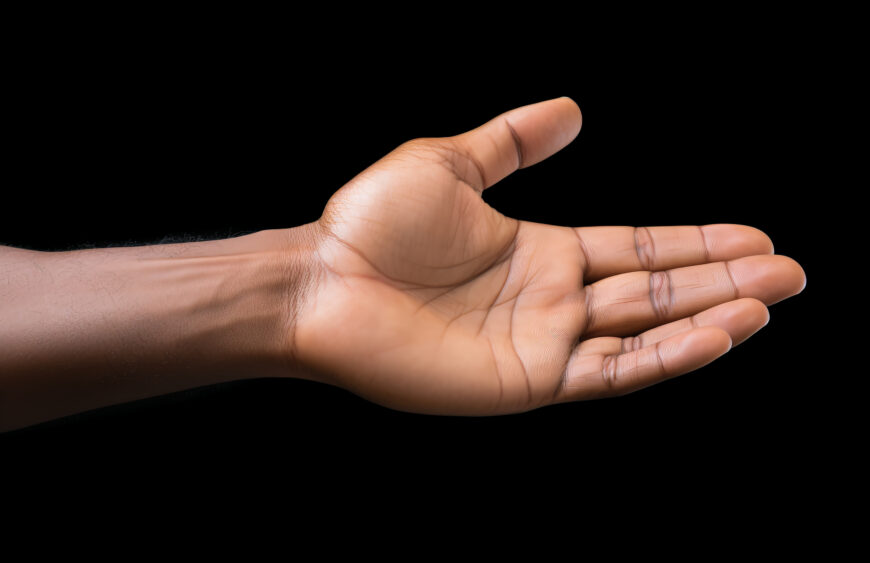
Next, let’s examine the significance of palm lines. Palm lines refer to the wrinkles on a person’s palm, considered as imprints of destiny. Based on the location, shape, and quantity of palm lines, one can deduce a person’s life path, financial prospects, and health condition. For example, the palm lines in the center of the palm can reveal a person’s career development and achievements, while the lines on the fingers are related to interpersonal relationships and emotional life. By studying palm lines, individuals can gain a better understanding of their destiny trajectory and make wiser choices.
In conclusion, facial features and palm lines, as essential components of Chinese traditional physiognomy, carry rich cultural connotations and wisdom. By exploring the meanings of facial features and palm lines, we can better understand ourselves, guide our lives and development. I hope everyone can benefit from this exploration, uncover the mysteries of traditional physiognomy, broaden their horizons, and achieve personal growth and development.